What Should You Check
When Roaches Appear by a Kitchen Drain?
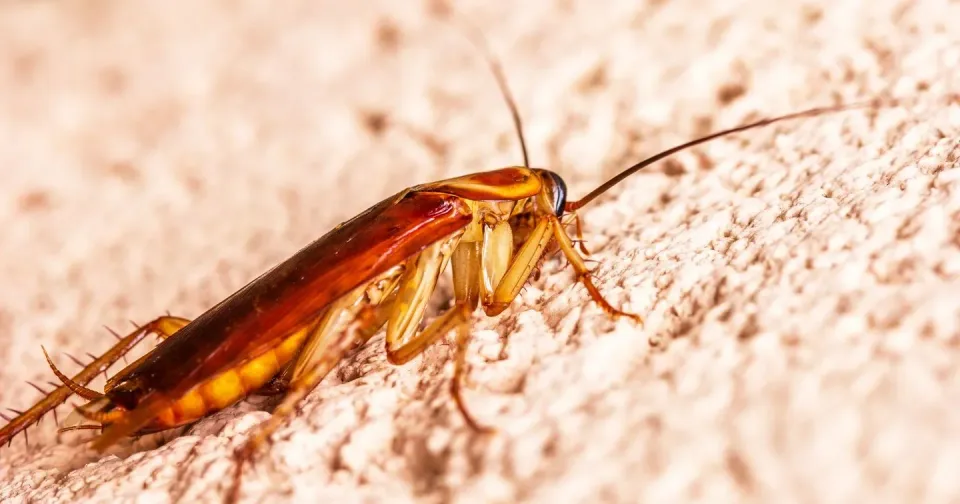
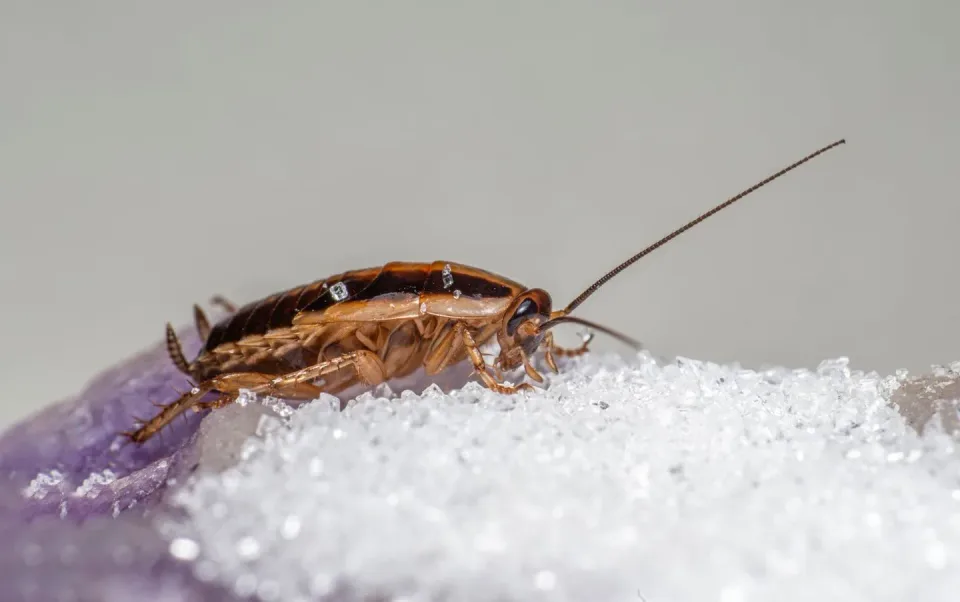
Cockroaches appearing near kitchen drains are a reason to inspect the sink cabinet, plumbing gaps, and nearby crumbs before spraying. A single sighting does not confirm where they are hiding, so note when and where you see them and keep the area clean and dry.
Check for leaks and gaps where pipes enter the wall; a damp, cluttered cabinet can give roaches shelter. Wyoming’s semi-arid conditions often mean low outdoor humidity, but a leak can still create a moist indoor harborage site.
We have heard customers ask for a bed bug heat-treatment inspection and quote; that is a different pest and needs its own identification. Others who say they want a stinging nest removed immediately should avoid disturbing it.
Near the Wyoming State Capitol, the same practical first step applies: identify the pest and its source before choosing treatment.
What do drain-side sightings tell you?
A roach beside the sink may be traveling along plumbing, but the drain itself is not automatically the nest. Look under the sink for moisture, food residue, shed skins, or droppings, and check the cabinet’s back corners with a flashlight.
Do not pour pesticides into a drain; use products only in labeled locations. Wyoming’s high-elevation winters bring prolonged freezing temperatures, so indoor warmth and water can make kitchens useful shelter.
Around the Wyoming Frontier Prison, as elsewhere in the state, older and newer buildings differ; inspect the actual pipe openings and cabinet condition rather than assuming every home has the same access points. We look for the pattern of activity, not just the one insect.
Could the Wyoming Dinosaur Center help you spot a source?
A careful check is useful before treatment. The Wyoming Dinosaur Center is a local reference point, not a pest-control authority; what matters in your kitchen is evidence at the sink, cabinet seams, and appliance edges.
Homeowners can vacuum visible debris, wipe grease, repair a drip, and store food in sealed containers. Avoid moving appliances or applying several products at once, which can obscure where activity began.
One step people skip is checking the underside and rear edge of the sink cabinet, where a slow leak may go unnoticed. We use a focused inspection to distinguish a likely harborage site from a passing roach and explain what we found.
When should you handle it yourself, and when should you call?
If you saw one roach and find no further signs, clean the cabinet, correct moisture, and monitor the location. If sightings continue, or you find multiple insects, droppings, or egg cases, arrange a professional assessment instead of layering sprays.
A B&G stainless steel sprayer has a one-gallon tank; that capacity is a tool specification, not a reason to apply product broadly. Treatment choice and placement must follow the product directions.
Our crew explains the inspection findings and treatment plan before applying anything. For other common home signs, see our article on termite wings by window sills.
What do pesticide-history dates tell homeowners?
Pesticides have a long history, but historical use is not a guide for modern kitchen treatment. In 1867, Paris green was used against Colorado potato beetles; that episode shows why a product’s past use should never be mistaken for approval around today’s food-preparation areas.
In 1948, Paul Müller received the Nobel Prize in Physiology or Medicine for work connected to DDT’s insecticidal properties. Neither date tells you what is appropriate in a home now.
Check the current product label and use only as directed. If a roach is seen near the kitchen drain, focus on present-day evidence and safe, site-specific decisions not old pesticide practices.
Our cockroach treatment service starts with identifying the pest and where activity is concentrated.
Which Treatment Option Fits a Kitchen Roach Problem?
For roaches by a drain, compare approaches by target and placement; other pest methods below are included only to show why identification matters.
| Option | Best for | Key detail |
|---|---|---|
| Cockroach gel bait | Roaches identified in kitchen harborage areas | Gel bait targets roaches; apply only where the product label allows. |
| Surface spray | Labeled surfaces with identified pest activity | Sprays treat surfaces, so they are not interchangeable with bait. |
| Bed bug heat treatment | Confirmed bed bug infestations | Heat treatment targets bed bugs; it is not a roach treatment. |
| Termite bait-station treatment | Termite monitoring and control | Baiting monitors colonies; liquid treatment creates barriers. |
A rodent exclusion and trapping plan addresses entry and rodent activity, not drain-side roaches. In Wyoming, strong winds can displace outdoor barriers or bait stations, making placement and checks important for those separate jobs. Ask which pest was identified and where a proposed product will be placed.
How Do You Prepare for a Drain-Side Roach Inspection?
A homeowner spots a roach beside the kitchen sink and wants to know what to do before an inspection. Start with the sink cabinet and record sightings; do not spray first.
The University of Wyoming is a familiar state institution, but a home pest inspection requires checking the actual kitchen conditions, not relying on general campus or regional information. Summer thunderstorms can bring localized heavy rain and hail, so after a storm, note any new leaks or dampness around the sink and nearby walls.
-
Confirm the pest: Take a clear photo if possible and note the time and exact location.
-
Schedule access: Tell the inspector about repeat sightings and make the sink cabinet accessible.
-
Secure pets and children: Keep them away from areas being inspected or treated.
-
Clear the work area: Remove stored items from beneath the sink and nearby treatment zones.
-
Ask about placement: Discuss child-conscious product placement and where any bait or application would go.
-
Follow instructions: Request re-entry directions and any follow-up steps before the visit ends.
Should You Call for Help With Roaches Near a Kitchen Drain?
A roach by the sink is a useful clue, not a complete diagnosis. Check for leaks, food residue, and pipe gaps, then note whether activity continues.
Bighorn Canyon National Recreation Area is a Wyoming landmark; locally, changing conditions matter too, and rapid freeze-thaw cycles can stress foundations and exterior seals, although an indoor kitchen source still needs a direct inspection. If sightings persist, our cockroach extermination process begins by identifying the pest and examining likely harborage areas.
We also handle building protection by matching recommendations to the property rather than treating every home alike. A customer who says they need somebody to “come out and kill them” deserves a clear explanation of what is present and what the treatment addresses.
Contact Wyoming Pest Pros to discuss an inspection and a practical next step.