When Do Termite Wings by a Window Sill Need Inspection?
Termite wings scattered beside a window sill are a reason to arrange an inspection, especially if you find more than one pile or see damaged wood nearby. Save a few wings and request a closer look rather than assuming the insects came from outside. A termite inspection probe lets an inspector check accessible wood for changes that may not show on the surface; it is not a substitute for examining the wider structure.
Our detailed property inspection considers the sill, nearby trim, and other accessible areas, so the findings have context. In Wyoming, rapid freeze-thaw cycles can stress foundations and exterior seals, which makes checking possible entry points useful.
Around Yellowstone National Park, weather and elevation vary; ask what the inspection can confirm and what areas remain inaccessible.
Should you schedule an inspection after finding wings?
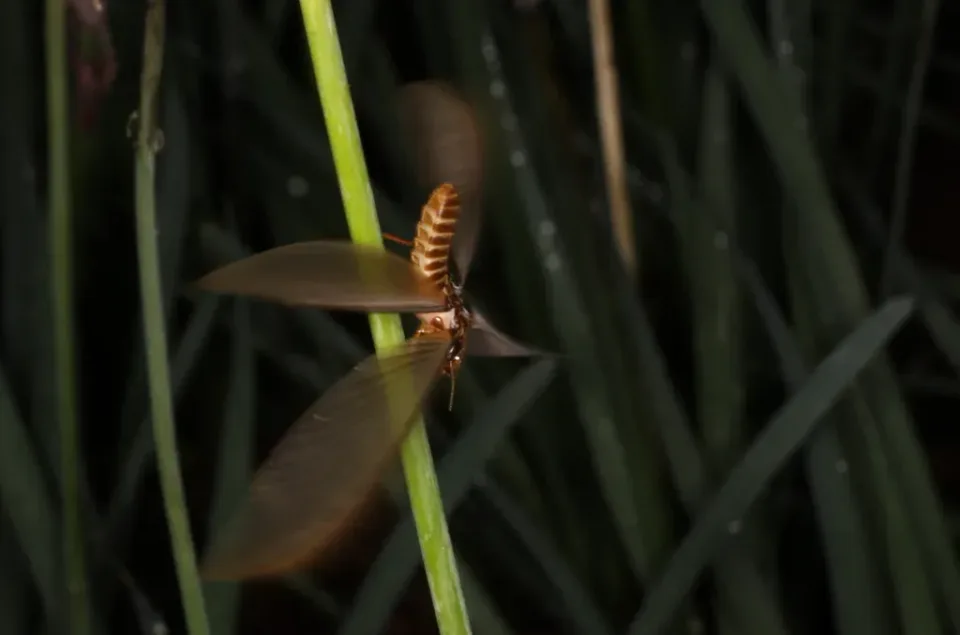
Yes schedule a termite inspection if wings repeatedly collect on an interior sill, or if you spot mud-like material, soft wood, or a swarm indoors. One small cluster does not prove termites are established, but waiting to identify the insects leaves you guessing.
Keep the wings in a sealed bag or take a clear photo, and note the room and date. We compare the evidence with accessible wood and likely entry areas rather than jumping straight to a treatment recommendation.
A borescope is not assumed; the inspection uses the appropriate tools and access available at the property. Around Grand Teton National Park, high-elevation winters bring prolonged freezing temperatures, so a single seasonal sighting should be assessed alongside the building’s condition and current evidence.
What can an inspection establish?
A careful inspection records what the inspector can see and reach, including window trim, nearby framing, and accessible foundation areas. It may identify signs consistent with termite activity, other wood damage, or no clear evidence of an active problem.
That distinction matters: wings alone do not establish how far damage extends or whether treatment is warranted. We explain the findings in plain language and identify any spots that could not be examined.
For background on our approach, see Wyoming Pest Pros. A frequent missed step is checking whether the wings are all alike and where they gather; that location helps direct the inspection but does not settle identification by itself.
When is a professional check better than DIY?
You can photograph the wings, collect a sample, and look for additional signs without disturbing the sill. Stop there if you find damaged wood, recurring indoor wings, or an area that needs probing: scraping or drilling can obscure evidence and may damage trim.
A qualified inspection is the better choice when you cannot identify the insect or assess the surrounding wood safely. We inspect first, explain what the evidence supports, and discuss practical next steps rather than treating a guess.
Wyoming’s semi-arid conditions often produce low outdoor humidity, but indoor moisture and building details still matter; don’t use climate alone to rule out a concern.
How should you act on the inspection findings?
Use the findings to decide whether monitoring, further assessment, or treatment makes sense for the property. A clear report should distinguish observed evidence from areas that were blocked or otherwise inaccessible.
If treatment is recommended, ask what method fits the evidence and what preparation or access is needed. We can explain the options and direct you to our Termite Inspection page for details about the inspection service.
Don’t treat wings as proof that every nearby piece of wood needs pesticide. Our crew has served Wyoming for more than 11 years, and we aim to give customers a practical plan grounded in what the inspection actually found.
Which Termite Treatment Option Fits Window-Sill Evidence?
If wings appear beside a sill, first establish whether the evidence points to termites; treatment choices are not interchangeable. A pre-construction termite risk review is meant for planning before a building is completed, not diagnosing a swarm in an existing home. In the Buffalo Historic District, older building details may shape what an inspector can access, so ask how findings will be documented.
| Option | Best for | Key detail |
|---|---|---|
| Termite bait-station treatment | Monitoring and targeting termite activity | Bait stations are checked over time; placement and monitoring matter. |
| Liquid termite treatment | A planned soil-treatment approach | The plan depends on structure and site conditions. |
| Pre-construction risk review | New construction planning | Raises termite risks before construction details are closed in. |
| Inspection report | Recording observed evidence | Digital reports can help you review locations and findings later. |
Termite bait is a monitoring and control approach, not a quick visual test. Ask what evidence supports the proposed termite treatment and what the inspection report will include.
How Do You Prepare for a Termite-Wing Inspection?
A little preparation helps the inspector reach the window area and assess related parts of the property. Keep the evidence intact. For homes near CAM-PLEX Multi-Event Facilities, reliable access planning is useful when coordinating a visit around a busy property schedule; Flaming Gorge National Recreation Area is another Wyoming landmark, but neither location changes the inspection steps.
-
Record the evidence: Photograph the wings beside the sill and note the room and date you found them.
-
Keep the sample: Place a few wings in a small sealed container so they are available for identification.
-
Clear the inspection area: Move curtains and stored items away from the sill and nearby trim.
-
Arrange access: Tell the inspector about locked rooms, crawlspace access, or other areas that may need entry.
-
Ask about follow-through: Confirm how the findings will be explained and what next step is recommended.
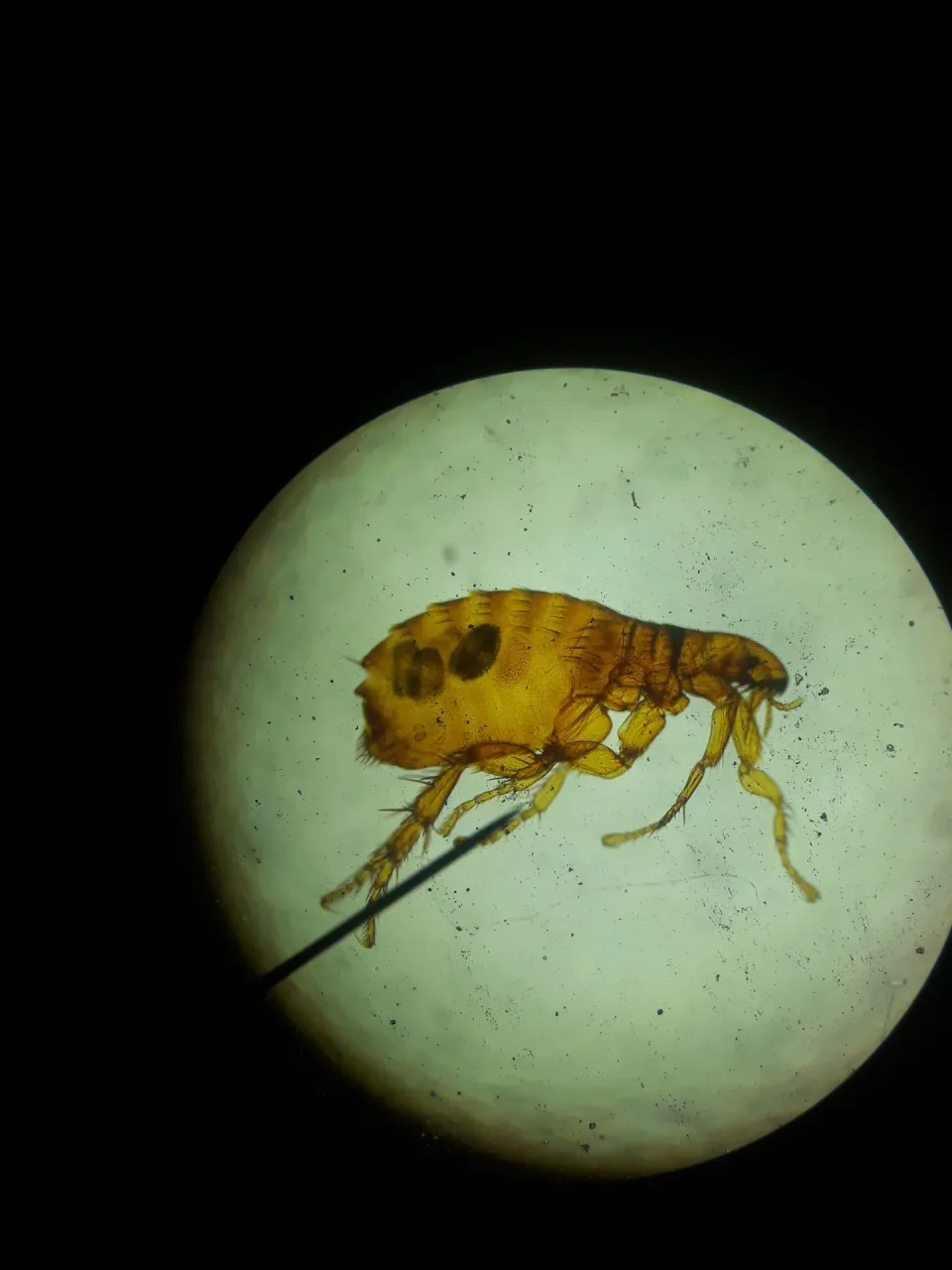
If you are also considering flea treatment, ask that the separate concern be identified rather than folded into a termite assessment. Local mosquito treatment concerns are likewise a different job; natural pest deterrents do not confirm or rule out termite activity. Bring your photos and questions to the appointment.
Ready to Arrange a Termite-Wing Inspection in Wyoming?
If termite wings keep appearing by a sill, or you have noticed wood changes nearby, arrange an inspection and keep the evidence for identification. The useful next step is to find out what is present before choosing a treatment. A perimeter treatment around building envelopes addresses a defined area and should not be assumed necessary from wings alone.
Our crew explains what we observed, what could not be accessed, and how any product use is guided by label directions. Some homeowners ask whether a property can be pest-free without chemicals; the answer depends on the pest and conditions, so discuss practical nonchemical steps alongside any treatment plan.
From Nicolaysen Art Museum to Old Trail Town, Wyoming properties face varied conditions. Contact Wyoming Pest Pros to discuss your findings and schedule a Termite Inspection.