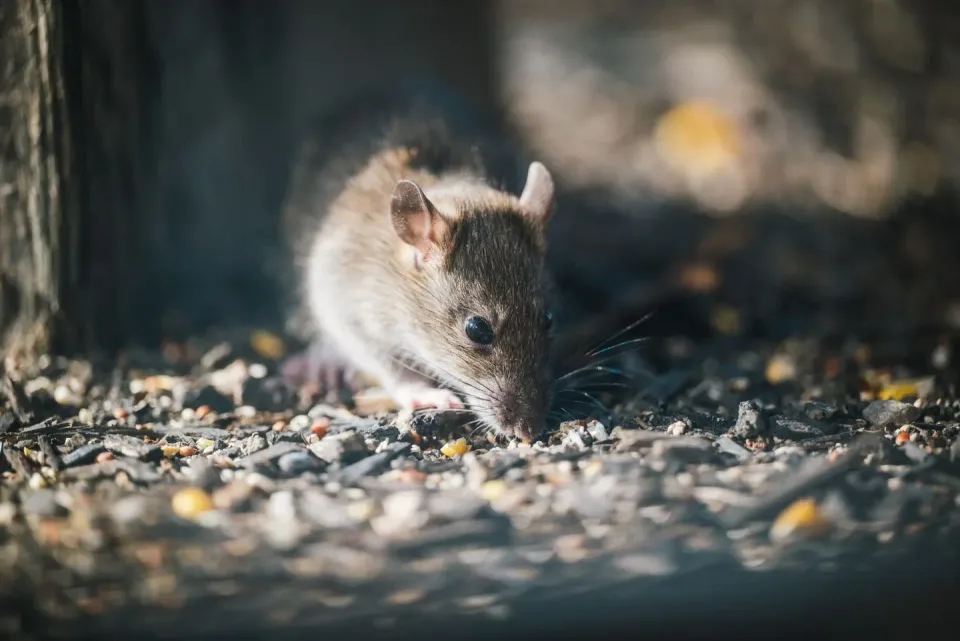
When Does Attic Scratching Call for Rodent Exclusion?
Scratching in attic walls can mean rodents are using gaps around utility penetrations to enter or move through the building. Have us inspect before sealing anything, so animals are not trapped inside. An exclusion service closes identified entry routes and addresses the access problem rather than just the noise.
If construction is underway, a customer may need inspection and repairs coordinated quickly so other trades can continue; tell us the project schedule when you call. Cold snaps drive rodents toward heated buildings, and Wyoming’s high winds can strain exterior barriers.
We have served Wyoming for more than 11 years, and our crew checks the structure and explains what can be done before work proceeds. Near the Wyoming State Capitol, we can help assess an attic access concern and discuss a practical next step.
What does scratching behind an attic wall mean?
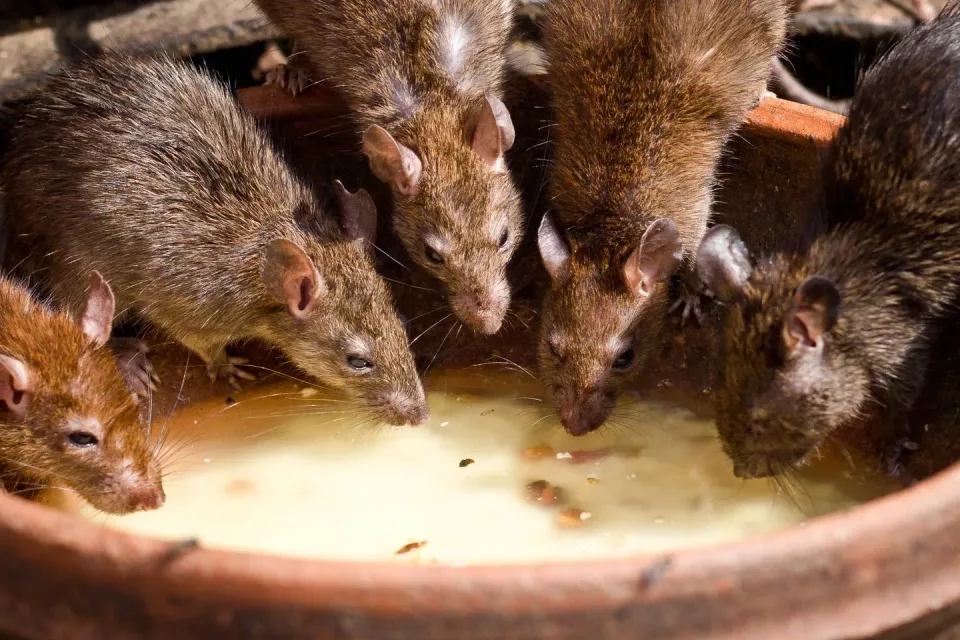
Scratching sounds in attic walls may come from rodents moving through a void, but sound alone does not identify the animal or its route. Listen for where and when it occurs, then note any visible damage without opening the wall.
Do not seal a suspected opening until the activity and access route are assessed; blocking an exit too soon can leave an animal inside. Our inspection follows likely travel paths toward roof edges, vents, and utility penetrations.
Rapid freeze-thaw cycles can stress exterior seals, so we look for failed or separated materials as well as obvious holes. The same careful approach matters in older buildings near the Buffalo Historic District, where construction details can differ from newer homes.
When should you call for an exclusion inspection?
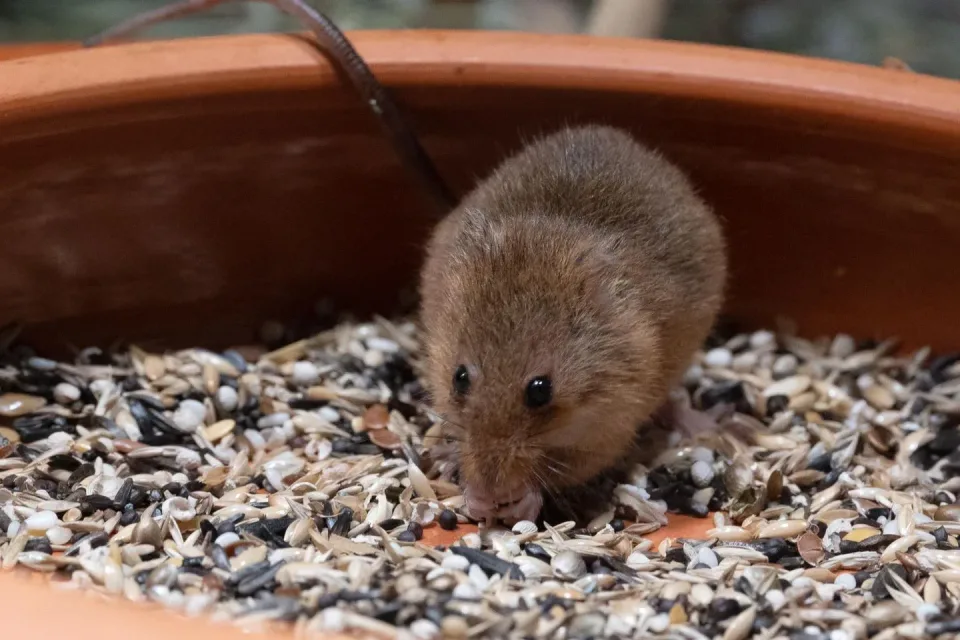
Call when scratching repeats, droppings or gnawing appear, or you find a gap that may connect outdoors to an attic or wall cavity. Rodent entry can start at a small opening; a gap around a pipe or cable should not be dismissed because it looks minor.
We map possible access points and check whether the sound could come from another source before recommending work. Wyoming winters can bring rodents indoors, while strong winds may disturb exterior barriers, so repairs need to fit the actual building conditions.
If contractors are already working, tell us which areas they will open or cover. That coordination can prevent a repair crew from closing over a route that still needs attention.
What can exclusion and trapping each accomplish?
Exclusion blocks access; trapping deals with animals already present. A rodent bait station can hold bait securely in a designated location, but it is not a substitute for finding how rodents entered.
We choose placements based on observed activity and site conditions, and use targeted applications only when appropriate to the identified pest and setting. Captured insects or rodents are useful evidence: where they turn up can help narrow down movement and likely harborage.
For buildings where direct access is limited, reduced-access exclusion methods can address certain openings without requiring broad disturbance of finished areas. We also consider wildlife exclusion when an opening may be used by wildlife rather than a household rodent.
Bighorn Canyon National Recreation Area is a familiar Wyoming landmark, but homes and structures near it still need an inspection based on their own evidence.
When is DIY reasonable, and when is it not?
A homeowner can note the time of noises, photograph a visible gap from a safe position, and move stored items away from an accessible inspection area. Do not climb onto a roof or cut into a wall to investigate.
Call a professional if the activity is ongoing, the opening is difficult to reach, or you cannot tell whether an animal remains inside. Careful protection of finished interiors matters: we plan access and work areas to limit avoidable disturbance rather than treating every wall as a demolition job.
Advion is a product name, not a general-purpose remedy for noises; it should only be considered for an appropriate target and according to its label. Our crew explains the findings and the proposed work before proceeding.
For related reading, see our guide to rodenticide bait-station directions or learn about Rodent Exclusion.
Which Rodent Option Fits Attic Scratching?
The right approach depends on whether the job is to block access, monitor activity, or remove rodents already inside. Cold snaps drive rodents toward heated buildings, including structures near Interstate 80, so a sound should prompt inspection rather than guesswork.
| Option | Best for | Key detail |
|---|---|---|
| Rodent exclusion and trapping | Suspected attic entry with activity inside | Mouse access may begin at a gap around ¼ inch; exclusion blocks entry while traps capture present rodents. |
| Rodent bait station | Monitoring or addressing rodent activity in an appropriate location | Footprints are roughly 6–12 inches; placement and use must suit the site. |
| Snap traps | Capturing rodents along an identified route | Stations are roughly 4–7 inches long; placement should follow evidence of activity. |
Rodent control starts with confirming the target and route. If a technician requests access, clear stored items around utility areas and the attic entry so the inspection can proceed.
How Should You Prepare for an Attic Inspection?
If scratching starts while a repair crew is on site, tell us what the contractors plan to open or close. We can coordinate access and explain what needs to be checked before the work area is sealed. Start with these steps:
-
Describe the sound: Note which room or wall it comes from and when you hear it; this helps narrow the inspection area.
-
Confirm access: Tell us whether attic and crawlspace access is available, and avoid moving unsafe or heavy items alone.
-
Secure pets: Keep pets away from work areas before treatment or inspection so they do not enter an open zone.
-
Move stored items: Clear the path to the access point, but leave suspected evidence in place for inspection.
-
Coordinate the work: For a rental or managed building, arrange access with facility management so the inspection does not conflict with repairs.
-
Ask about products: If a product is used, ask what after-treatment entry instructions apply and follow them before returning to the area.
Rodent-proofing services should address the building’s actual openings, not just the spot where the sound is loudest. Bell Laboratories is a manufacturer name; ask which specific product is proposed and why it fits the job.
Ready to Discuss Attic Scratching in Wyoming?
Repeated scratching deserves an inspection when you cannot identify the source or a likely exterior opening. A clear plan starts with confirming the target pest and checking the building before recommending exclusion or other work.
At commercial properties, commercial pest management may also require coordination around access and ongoing operations; we discuss those details with the customer before scheduling. For properties near CAM-PLEX Multi-Event Facilities, the same principle applies: plan around the site and the work being done.
We do not promise an emergency arrival, but you can explain your construction timeline when you contact us. Share where the sound occurs, then ask for an inspection through Rodent Exclusion with Wyoming Pest Pros.