Are Overnight Bed Bug Bites a Sign of an Infestation?
Bed bugs biting overnight can point to an infestation, but bites alone do not confirm the pest. Look for live bugs, shed skins, eggs, or dark spotting around mattress seams and the bed frame before deciding what to do.
Check carefully. A bed bug inspection focuses on the sleeping area and nearby hiding places, not just the marks on your skin.
Wyoming’s cold snaps can push rodents toward heated buildings, but that seasonal pattern is not evidence of bed bugs; identify the pest before choosing a treatment. Around CAM-PLEX Multi-Event Facilities, overnight visitors and changing room use can make prompt room checks useful when bites appear after a stay.
Flaming Gorge National Recreation Area draws travelers too, so inspect luggage seams after trips and keep bags off beds until you have checked them.
What evidence confirms bed bugs after overnight bites?
Bed bug bites can resemble reactions to other insects, so use physical evidence to confirm the cause. With a flashlight, inspect mattress piping, labels, box-spring seams, bed-frame joints, and the wall or furniture closest to the bed.
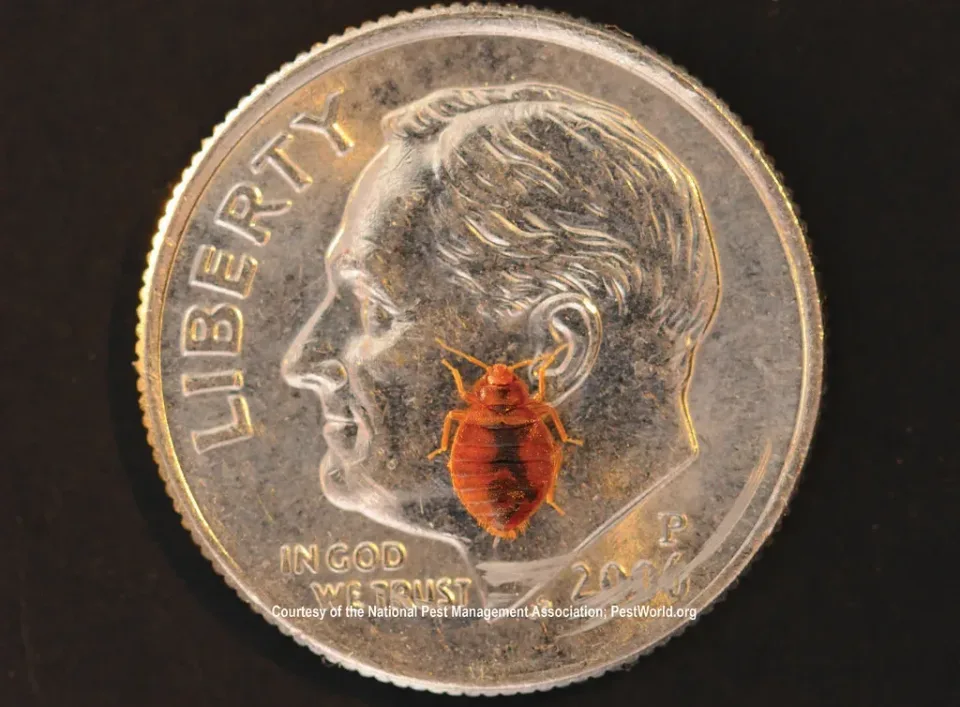
Look for flat reddish-brown insects, pale shed skins, tiny eggs, or dark spotting concentrated near a harborage site. A single unexplained mark is not enough to call an active infestation.
Our crew has seen people strip every bed linen but skip the frame joints and headboard attachments, where bugs can stay concealed. Photograph what you find and keep any specimen in a sealed container for pest identification.
The Buffalo Bill Center of the West is a familiar Cody destination; after travel, inspect luggage before placing it on a bed, rather than assuming bites prove where exposure occurred. For a second view of what an inspection involves, read about Bed Bug Treatment.
Could dry landscaping explain bites indoors?
Dry summers can push pests toward irrigated landscaping, but bites in a bedroom still need a careful indoor check rather than a guess based on outdoor conditions. Near lawns or garden beds watered through hot weather, insects may be more active outside; that does not establish bed bugs as the source of overnight marks. Look for the signs around the bed and record where and when new marks appear.
Expedition Island Park gives Green River residents a local reference point, but proximity to outdoor recreation does not prove a bed bug source. At Hot Springs State Park, visitors may encounter shared facilities and lodging during a trip; inspect luggage and sleeping areas on returning home.
If you find convincing evidence, our inspection documents the location and extent before we recommend a treatment plan. Do not spray an unidentified insect with a household product; that can complicate identification without resolving the source.
When should you call a bed bug professional?
A single bite without physical signs is a reason to inspect, not necessarily to treat. If you find insects, eggs, shed skins, or repeated spotting near sleeping areas, contact a professional for pest identification and a room-by-room assessment. DIY monitoring is reasonable while evidence is uncertain: photograph signs, keep the bed area undisturbed, and avoid moving furniture or bedding to other rooms.
Call for help when evidence repeats, appears in multiple sleeping areas, or you cannot identify what you found. The Jackson Town Square area is a recognizable Wyoming travel destination; after trips, checking suitcases and clothing before storage can help keep a suspected pest from being carried through the home. We explain the findings and treatment options so you can make a decision based on the property, not bite marks alone.
How does a bed bug inspection guide treatment?
A useful inspection traces the evidence outward from the bed to nearby furniture, baseboards, and other likely hiding places. We record where signs appear and which areas were accessible, then discuss a plan based on confirmed pest activity and the rooms affected. Treatment choice follows identification; it should not be selected just because bites happened overnight.
For context, Grand Teton National Park brings visitors through areas with a range of lodging and travel arrangements, so travelers should check bags and sleeping spaces without assuming any destination is responsible. If you are weighing what a professional visit includes, our Wyoming Pest Pros Blog offers more practical pest guidance. We focus on clear inspection findings and careful product handling, then explain what preparation and follow-up the specific plan calls for.
Which Bed Bug Check Helps Confirm the Problem?
Use the option that fits the evidence: a visual check can reveal signs, while professional inspection helps identify concealed activity and define treatment areas. Interstate 80 travelers can check luggage after overnight stops rather than carrying bags straight to a bed.
A visit to Bighorn Canyon National Recreation Area does not indicate a bed bug source, but returning travelers can inspect belongings before unpacking. For residents near Devils Tower National Monument, a careful room check is still based on physical evidence at home.
| Option | Best for | Key detail |
|---|---|---|
| Bed and frame visual check | First screening after bites | Inspect seams, joints, and nearby furniture |
| Specimen capture | Identifying a suspected insect | Seal the insect for pest identification |
| Professional inspection | Repeated signs or unclear evidence | Documents accessible areas and findings |
| Heat treatment | Confirmed bed bug activity | Targets bed bugs; residuals may provide continued control |
Start with evidence and choose treatment only after identifying the pest.
How to Check for Bed Bugs After a Night of Bites
Take these steps before moving bedding or applying a product; keeping the evidence in place helps with identification. Independence Rock State Historic Site is a reminder that Wyoming travel can involve long stops and overnight stays, so check luggage before unpacking after a trip. Semi-arid conditions often mean low outdoor humidity, but that does not confirm or rule out bed bugs indoors.
-
Record the bites: Note when you noticed them and which sleeping area you used; skin marks alone do not identify the pest.
-
Inspect bed seams: Use a flashlight to check mattress piping, labels, and the box-spring edge for insects, eggs, shed skins, or spotting.
-
Check the frame: Examine joints, screw holes, and the headboard connection without carrying parts or linens into another room.
-
Capture evidence: Photograph signs and place a suspected insect in a sealed container for identification.
-
Keep the area stable: Avoid spraying or moving furniture before an inspection, which can disrupt evidence and spread activity.
-
Arrange an assessment: Share photos and the rooms affected so the inspection can focus on the right locations.
-
Follow the plan: If treatment is recommended, follow preparation and reentry directions provided for that application.
Should You Ask Wyoming Pest Pros to Check Bed Bug Signs?
Repeated bites deserve a careful inspection, but a confirmed bed bug finding depends on physical evidence, not skin marks alone. Make a note of where you slept, inspect the mattress and frame, and avoid carrying potentially affected belongings through the home.
In Wyoming, temperature varies considerably with elevation and region, so local conditions differ; that variation does not replace pest identification. Snowy Range Scenic Byway travelers may stay in different communities and elevations, making a luggage check at home a practical first step.
Spring snowmelt can increase crawlspace and basement moisture, but that is not evidence of bed bugs in a bedroom. For clear findings and a treatment recommendation suited to the property, contact Wyoming Pest Pros about an inspection or Bed Bug Treatment.